Quality, facilities & scientific team
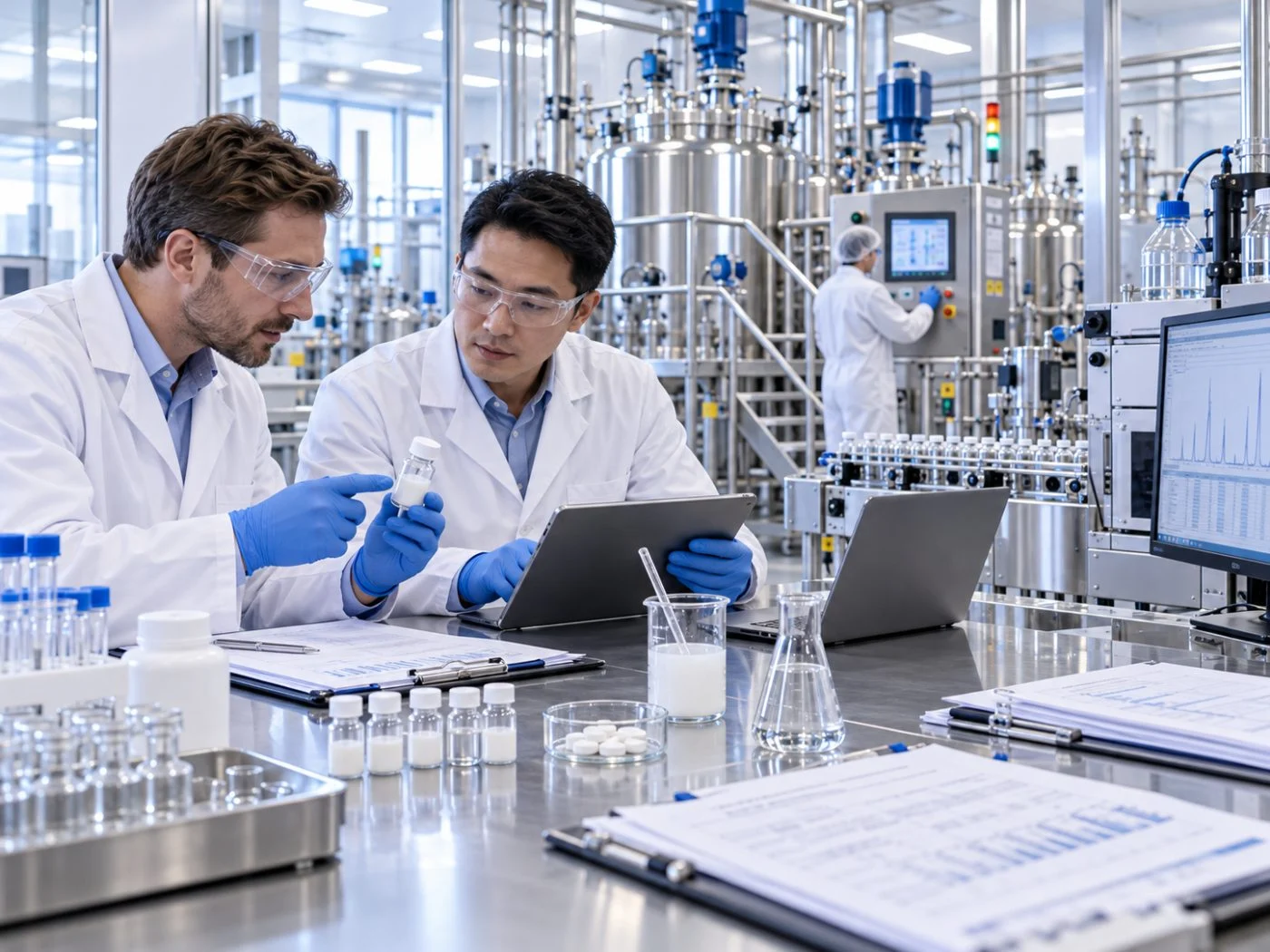
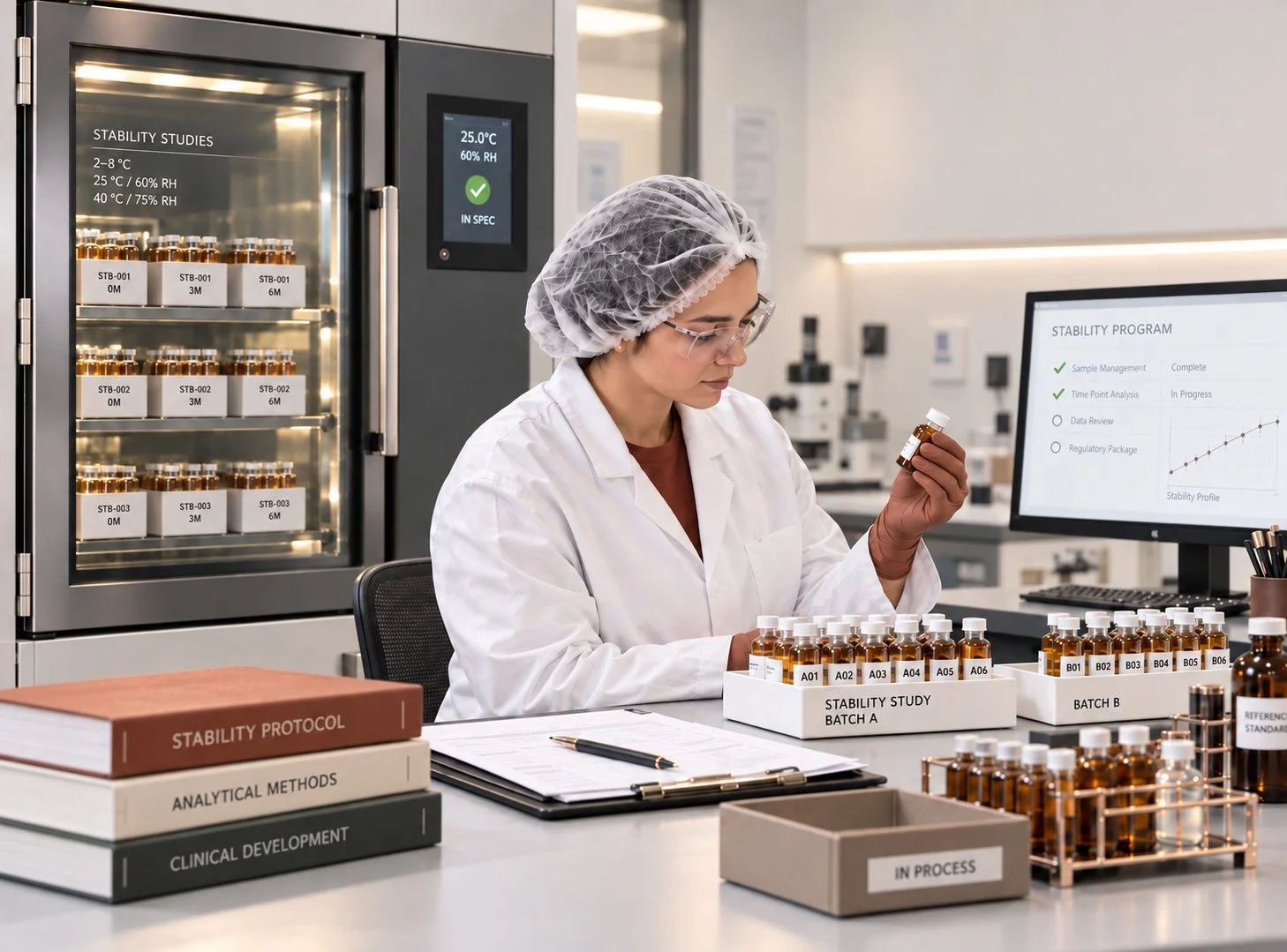
Complex pharmaceutical development depends on more than formulation work. It also requires disciplined documentation, fit-for-purpose environments and equipment, appropriate oversight, and multidisciplinary scientific and operational expertise.
Quality & compliance
Documentation and oversight are the working parts of a development program, not paperwork applied afterwards. Potential sections include:
- SOP governance
- Controlled documentation
- Training
- Deviations
- CAPA
- Change control
- Supplier qualification
- Equipment calibration
- Preventive maintenance
- Environmental controls
- Quality review
- Complaint investigation
- Root cause analysis
- Data integrity
- Clinical-data governance
- Vendor qualification
- CRO oversight where applicable
Facilities & equipment
Development work moves between environments. The settings a program can draw on:
- R&D laboratory
- Analytical laboratory
- Manufacturing
- Packaging
- Equipment
- Custom tooling
- Prototype products
- Clinical-development collaboration
- Data-review sessions
- Scientists, pharmacists and engineers
The specific environments, equipment and arrangements applied to a program are confirmed during project review.
Scientific & development expertise
Programs are staffed by discipline. The disciplines a development program may draw on:
- Pharmacists
- Analytical chemists
- Formulation scientists
- Process engineers
- Quality professionals
- Clinical-development partners
- Medical advisors
- Biostatistics partners
- Regulatory professionals
- Packaging specialists
Individual profiles are shared during project discussions rather than published here. Disciplines are assigned to a program according to its scientific and operational requirements.